








Algonquin Provincial Park-History
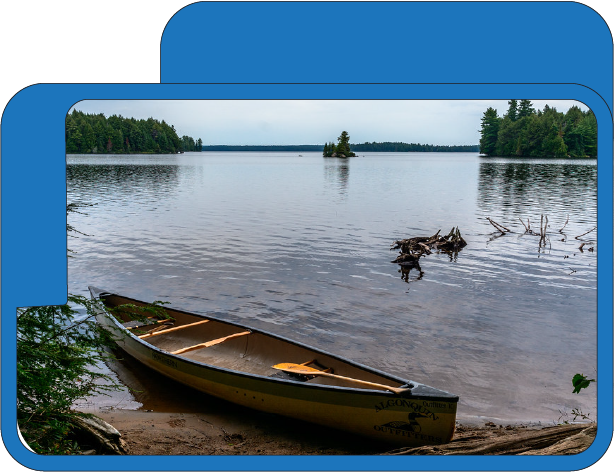
Established: 1893 – Ontario’s first provincial park.
Purpose: Protect forests, wildlife, and waterways while allowing recreation.
Size & Features: Over 7,600 km², 2,400+ lakes, 1,200 km of streams.
Historical Significance: Played a key role in Canada’s conservation movement and early ecological research.
Fun Fact: Inspired the Group of Seven artists, who painted its iconic landscapes.
Algonquin Provincial Park
1893

Killarney Provincial Park - History
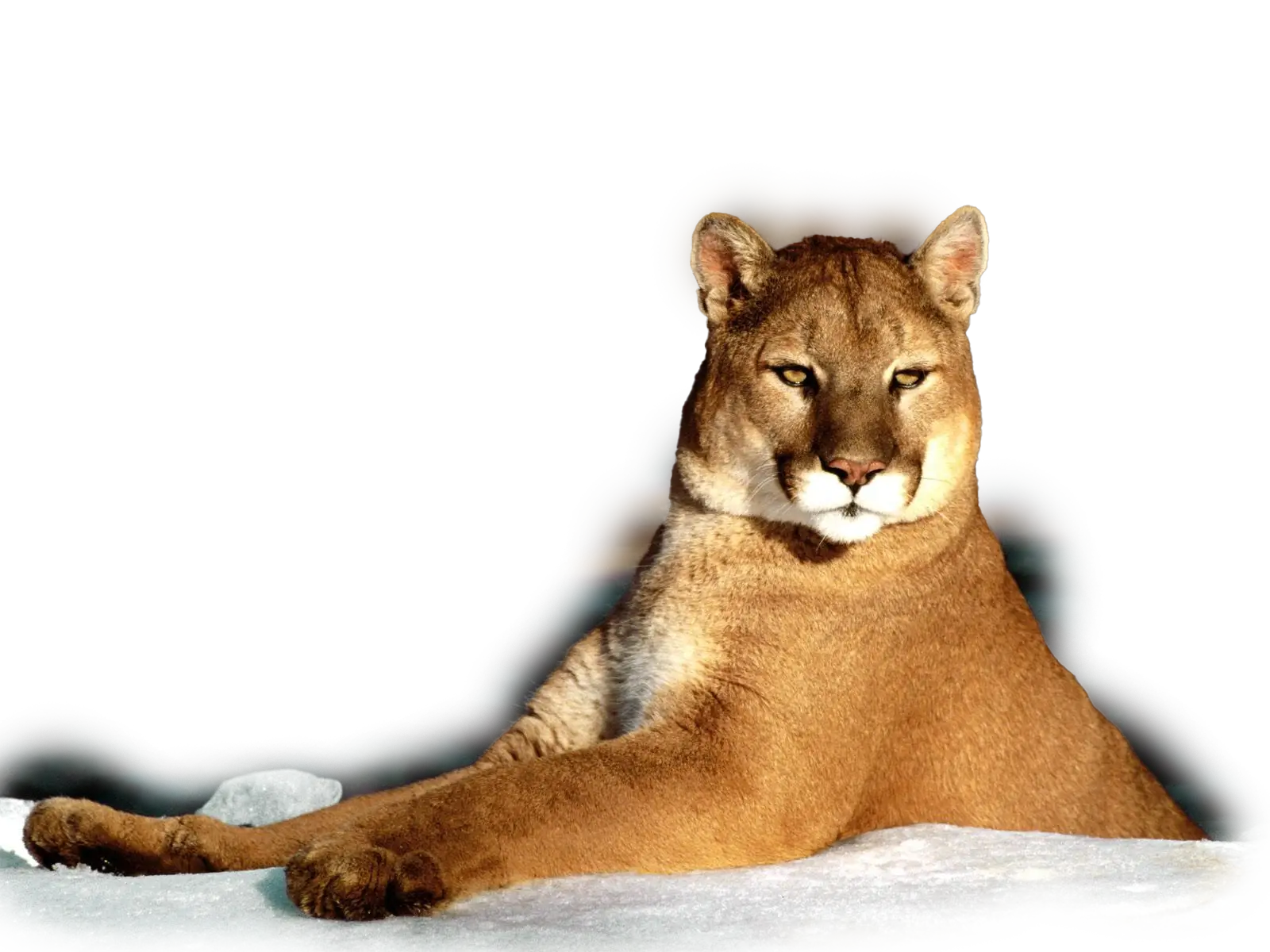
Established: 1964
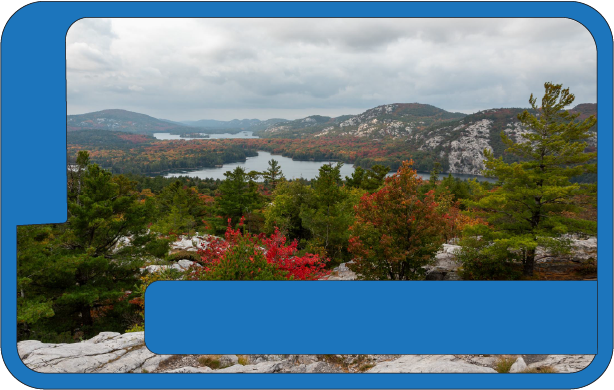
Purpose: Preserve the stunning pink granite cliffs, sapphire lakes, and La Cloche Mountains.
Highlights: Offers breathtaking views, challenging hiking trails, and opportunities for photography.
Historical Significance: Protected thanks to advocacy of the Group of Seven painters.
Fun Fact: Inspired many artworks and remains a favorite for artists and nature lovers.
Killarney Provincial Park
1964
Quetico Provincial Park – History
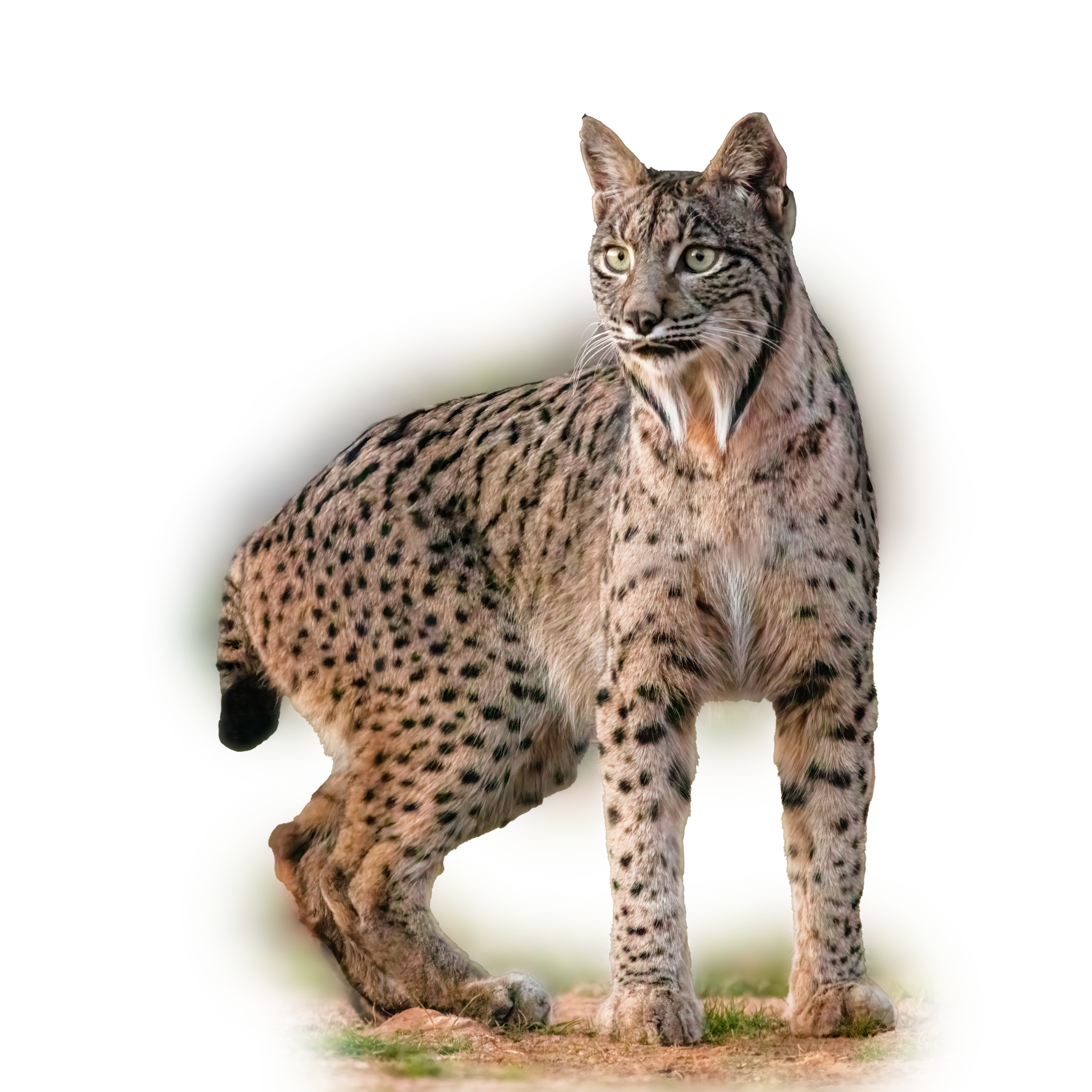
Established: 1913
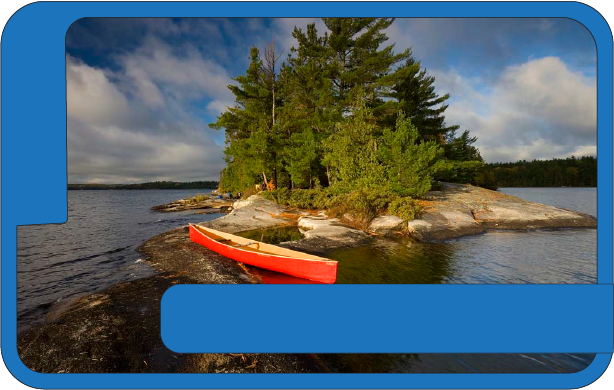
Purpose: Protect one of Ontario’s most remote wilderness areas, rich in lakes, forests, and wildlife.
Highlights: Over 2,000 lakes connected by historic canoe routes, linking to Minnesota’s Boundary Waters. A top destination for backcountry canoeing and fishing.
Historical Significance: Long used by Indigenous peoples and later explorers, the park preserves both natural and cultural heritage.
Fun Fact: Known as one of the most untouched and wild places in Ontario.
Quetico Provincial Park
1913
Sandbanks Provincial Park – History
Established:1970
Protect the world’s largest baymouth barrier dune system along Lake Ontario.
Famous for wide sandy beaches, warm swimming waters, and dunes up to 25 metres high.
Historical Significance: The dunes shift constantly with the wind, creating a unique and fragile ecosystem.
Fun Fact: Sandbanks is one of Ontario’s most popular summer destinations for families and beachgoers.
Sandbanks park
1970

Reservation

Book campsites, cabins, yurts, and roofed accommodations online or by phone
Reserve up to 5 months in advance to secure your spot
Choose your exact park, date, and site type during booking
Highly recommended to book early for long weekends and summer
Cancellation and change options are available.
Activities

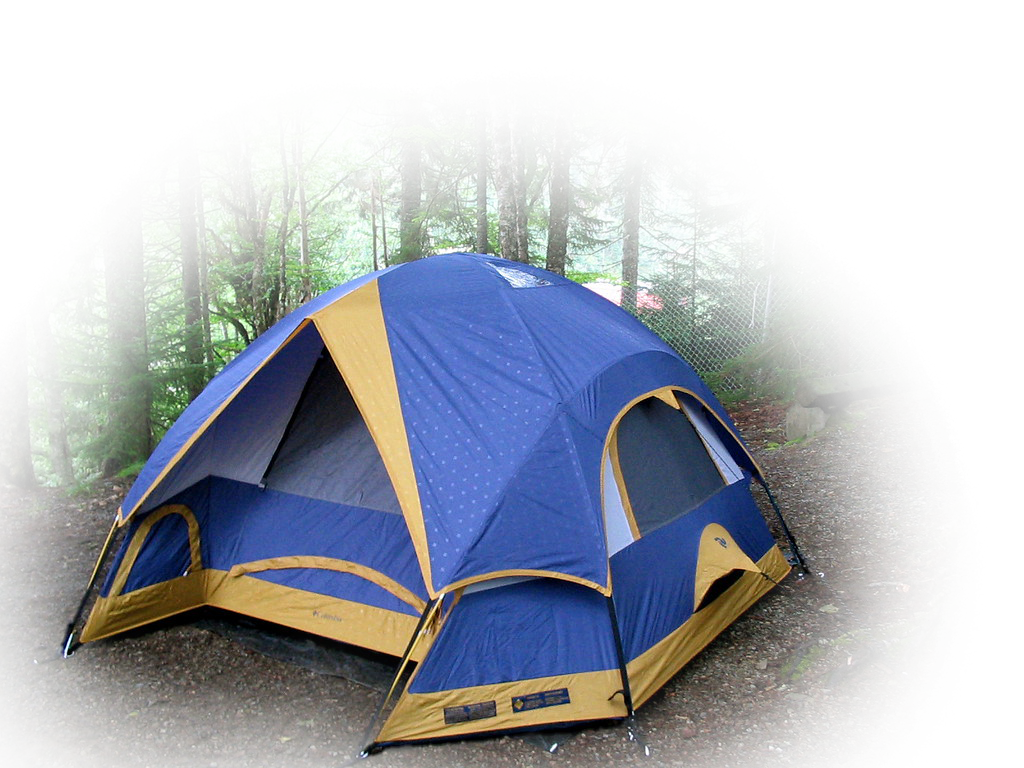
Enjoy overnight stays with options for tenting, RV sites, and roofed accommodations across the province.
Ontario Parks features more than 1,800 km of trails, ranging from easy walks to challenging backcountry routes.
Enjoy overnight stays with options for tenting, RV sites, and roofed accommodations across the province.
Accessibility
Ontario Parks is committed to welcoming all visitors by providing barrier-free facilities, accessible trails, and designated campsites. Many parks also offer accessible washrooms, boardwalks, and beaches, with staff available to support individual needs. All services are designed to meet AODA standards, ensuring an inclusive outdoor experience
Operating Seasons

Ontario Parks have varying schedules depending on location and season. Many are open from spring to fall, offering camping, hiking, and water activities. Some remain open year-round for winter activities like skiing and snowshoeing. Smaller or seasonal parks may have limited access and services. Always check each park’s operating dates before visiting.
Parks Rules
To protect Ontario’s natural spaces, all visitors are expected to follow park rules and guidelines. Campfires are only allowed in designated fire pits, and pets must remain on a leash at all times. Waste should be packed out or disposed of properly to keep the environment clean and safe for wildlife. Visitors are also asked to respect quiet hours, stay on marked trails to avoid damaging ecosystems, and practice the “leave no trace” principle.



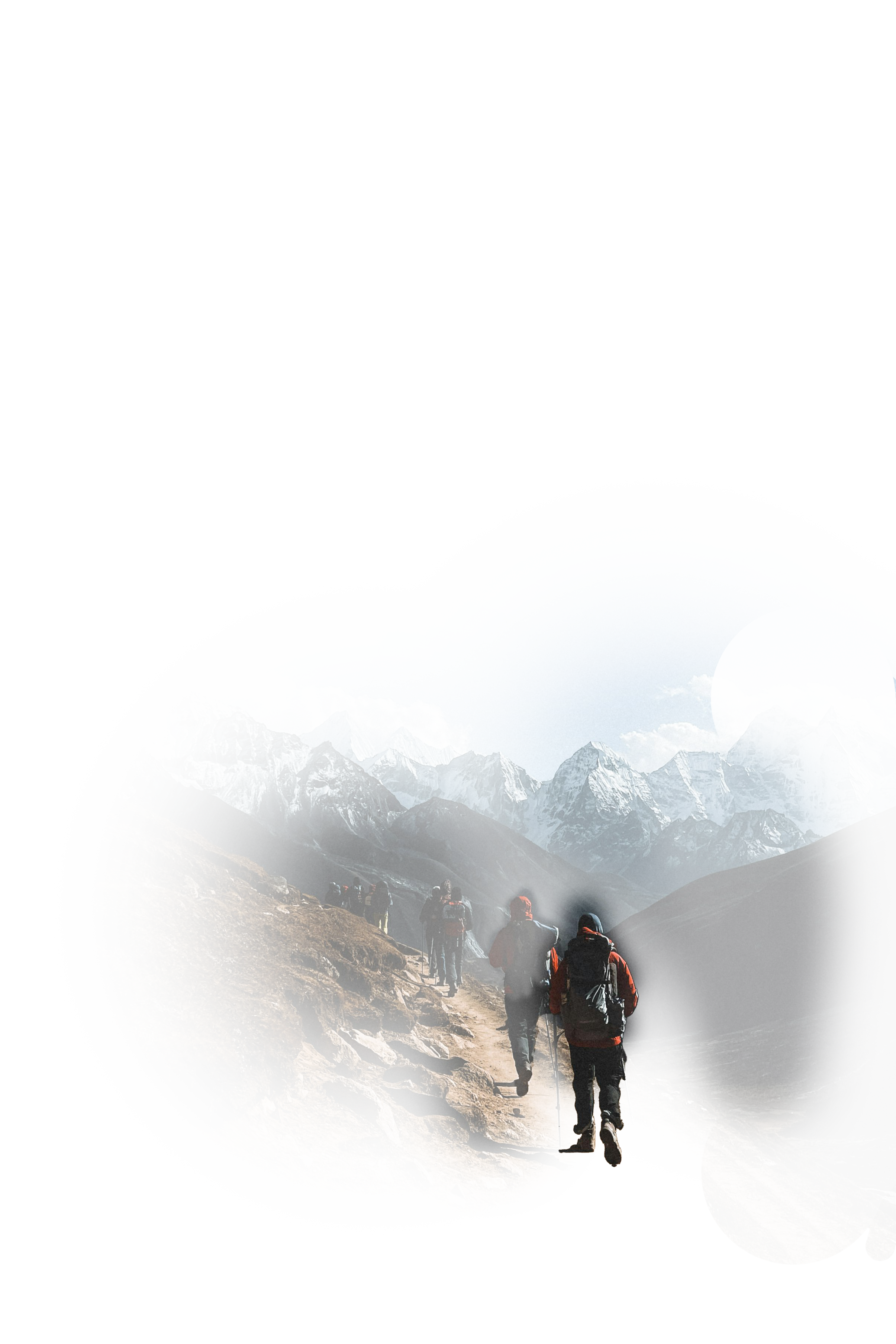
The Boreal Songbird Nursery
The Boreal Forest stretches across Canada and Alaska, creating one of the largest bird nurseries on Earth. Each spring, billions of migratory birds arrive to nest, feed, and raise their young. Over 300 species—including warblers, thrushes, and sparrows—depend on this forest for survival.
Fun Fact: Some warblers weigh less than a tablespoon of sugar—but their tiny wings carry them thousands of kilometers each year! Tap to see them in action.
Migration Journeys
Every fall, songbirds raised in the Boreal begin incredible migrations. Tiny warblers travel thousands of kilometers to wintering grounds in Central and South America. Some even cross the Gulf of Mexico in a single nonstop flight!
Guided by instinct, stars, and the Earth’s magnetic field, they return north each spring to repeat the cycle, connecting the Boreal Forest to the entire hemisphere.
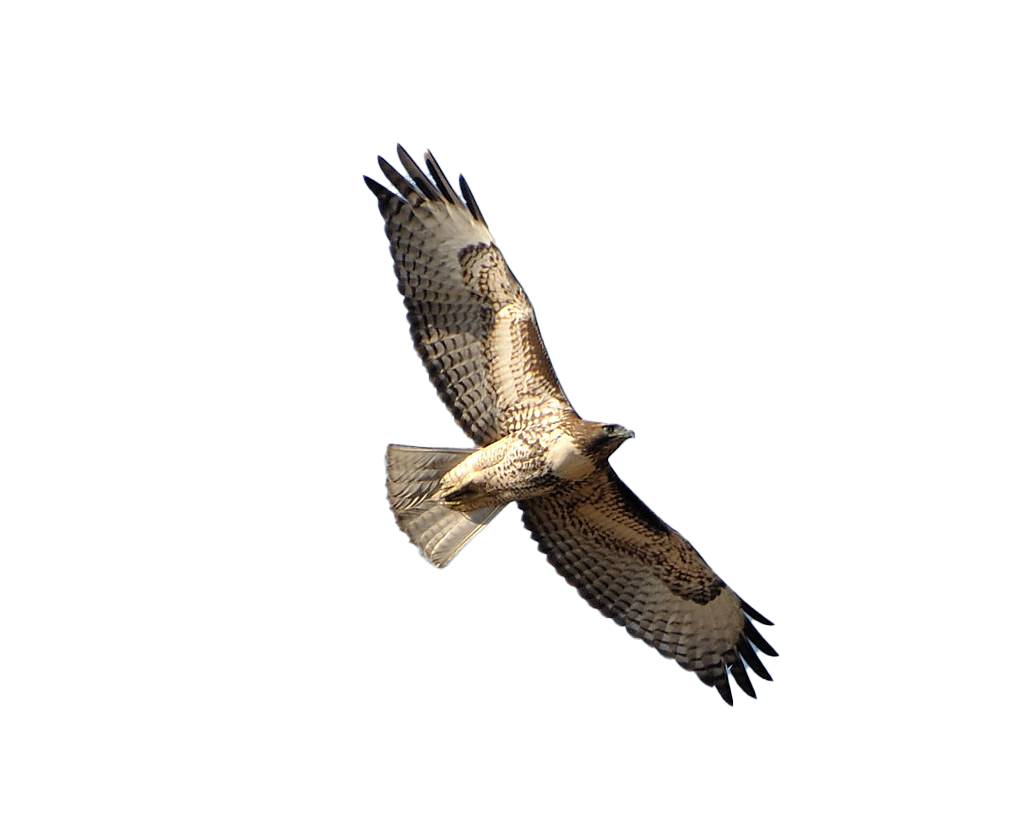


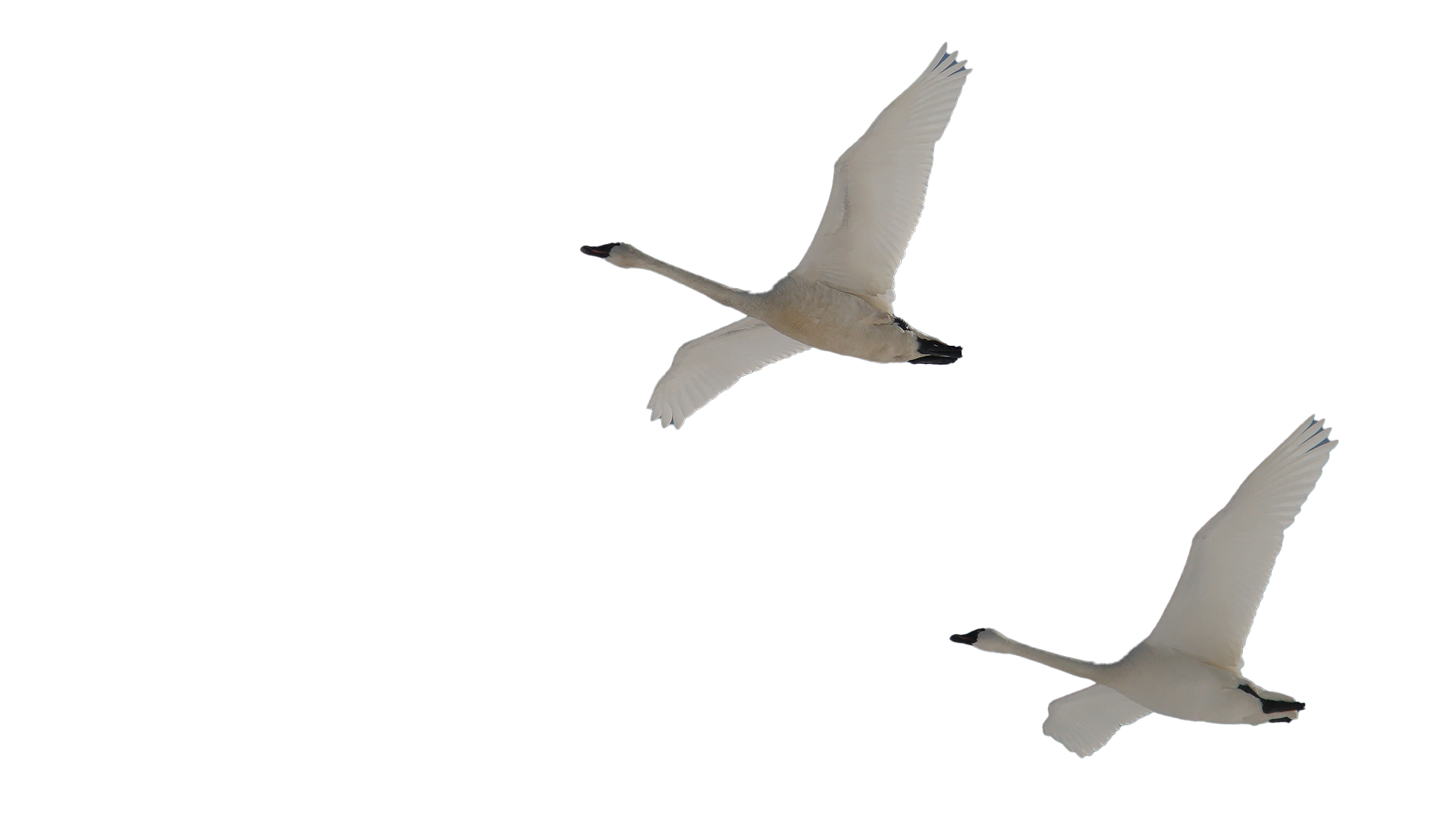
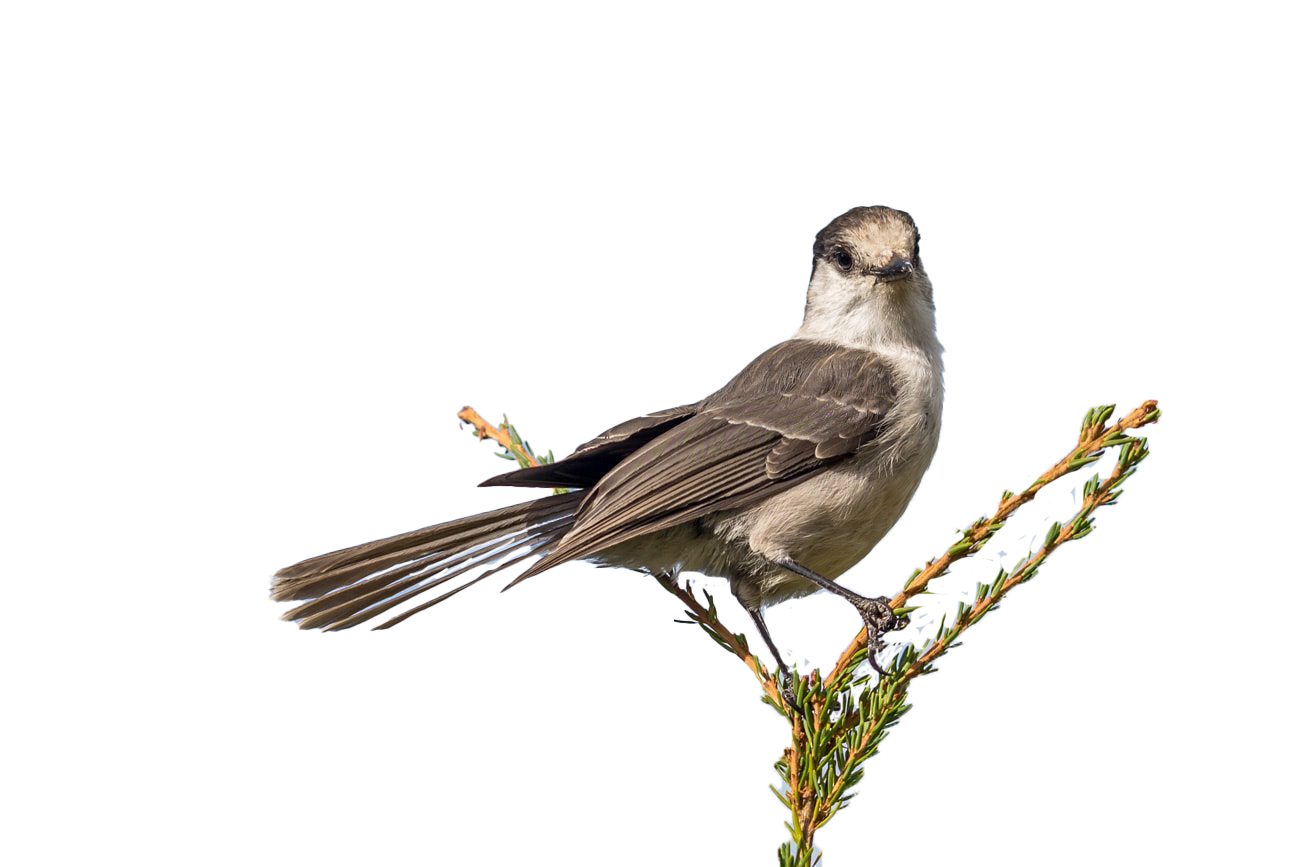

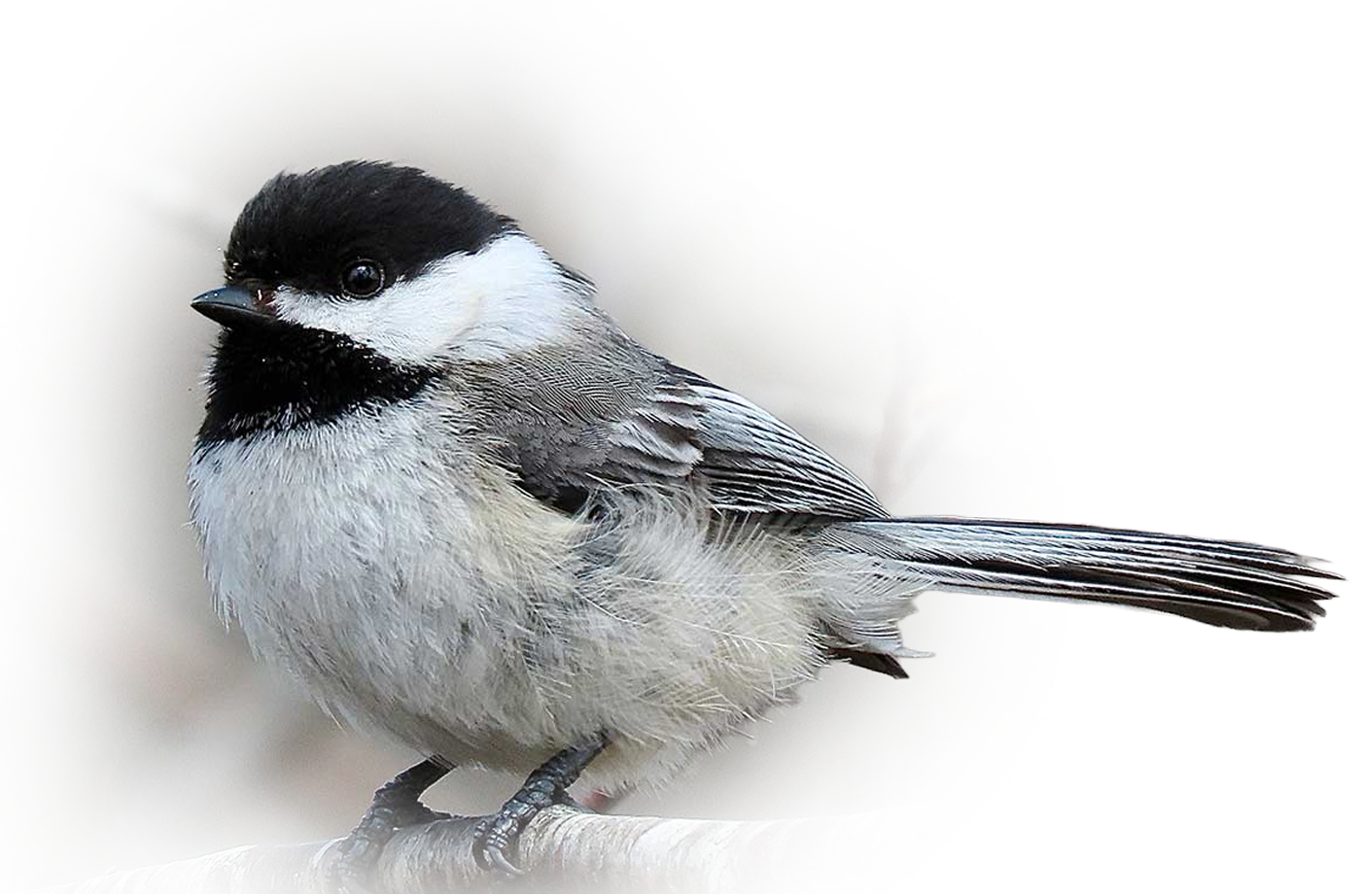

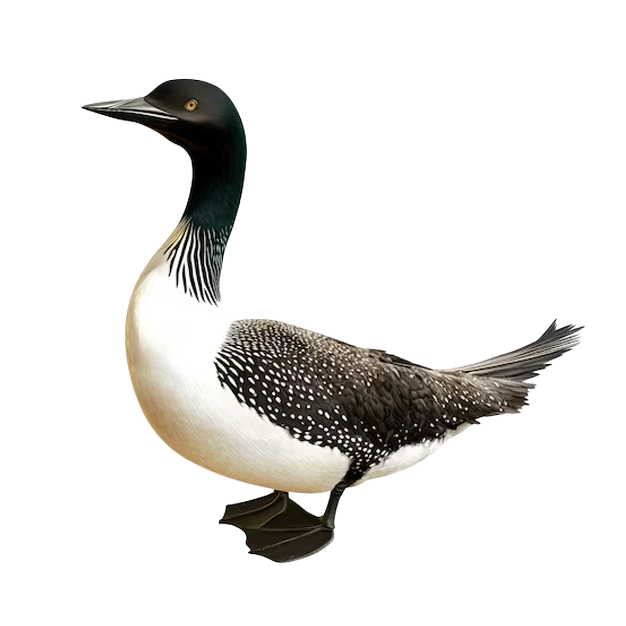
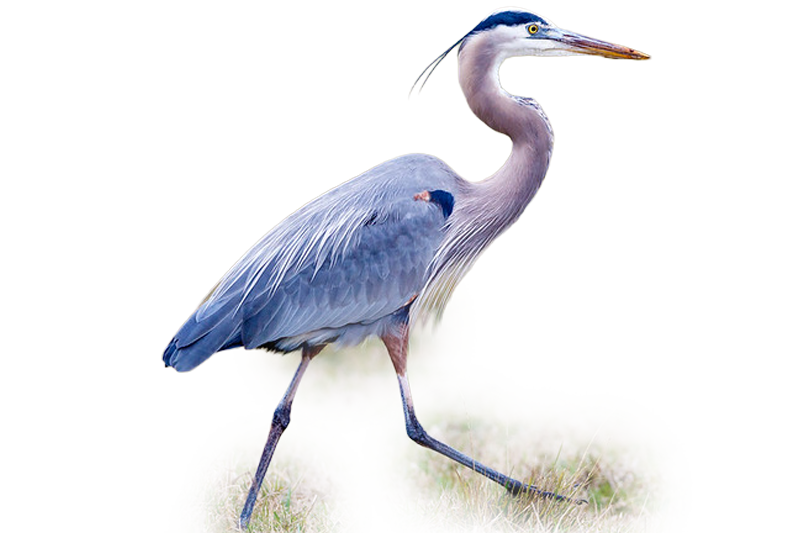
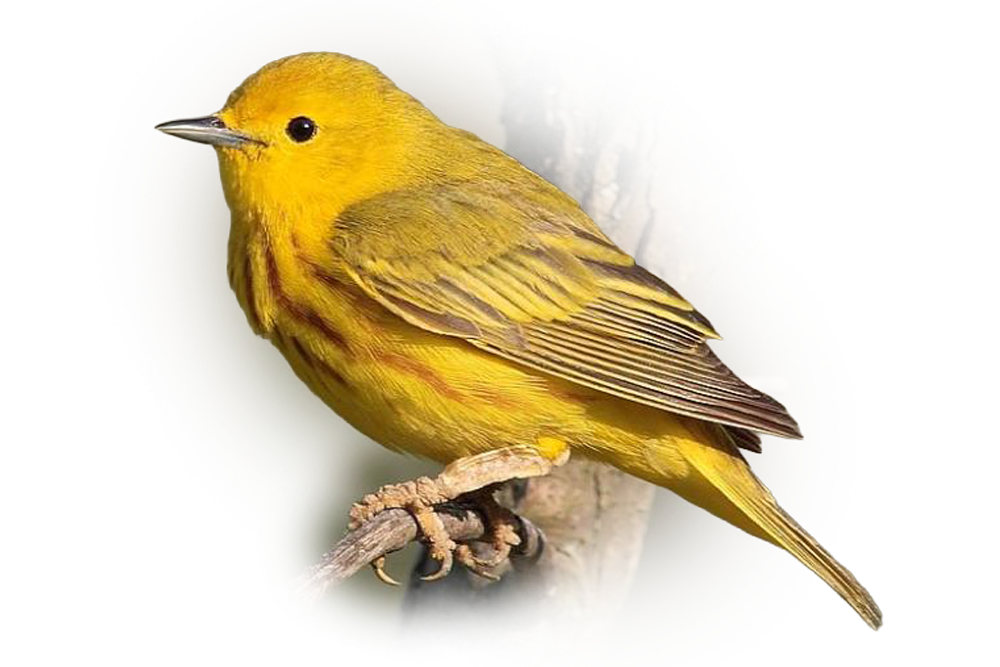

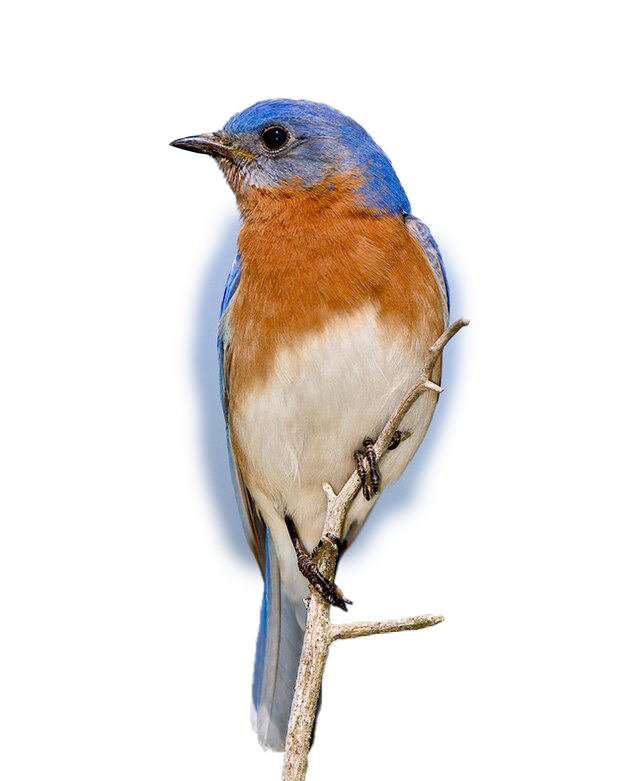
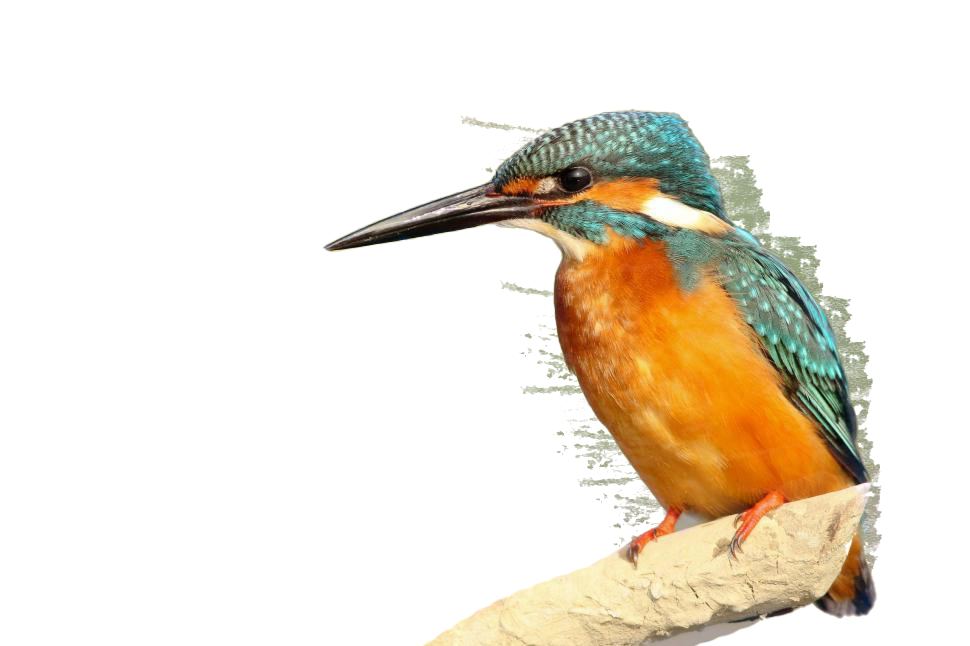
Tap bird's image to listen their Songs